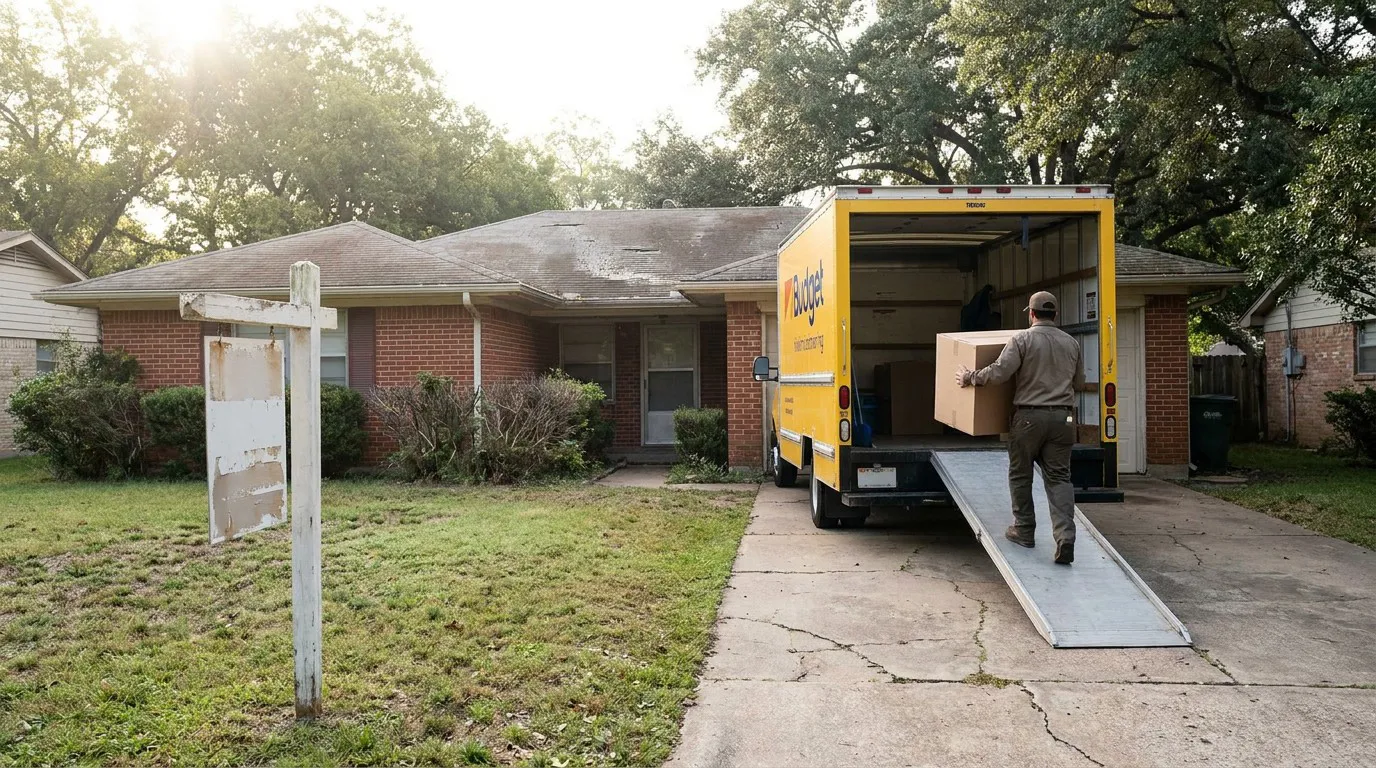
Moving a Child Out of Harris County When Your Order Says You Can’t
Key Takeaways: Lifting a geographic restriction in a Houston custody order requires a formal modification suit under Chapter 156 of the Texas Family Code, not an informal agreement. The parent seeking change must prove a material and substantial change in circumstances and show removing the restriction serves the child’s best interest. Under § 153.134(b)(1) and § 153.133(a)(1), restrictions are established only "until modified by further order," so they are not permanent. Courts weigh geographical proximity of parents’ residences, concrete benefit to the child, the other parent’s involvement, and whether a workable long-distance possession schedule exists. Temporary orders changing who holds the exclusive right to designate primary residence are available only under narrow conditions of § 156.006(b). A granted relocation often reshapes possession schedules and may lead to reallocation of costs under § 156.103. Violating the existing order before a judge signs a new one can seriously harm your case.
If your Houston custody order confines your child’s primary residence to Harris County and you want that limitation removed, you must file a modification suit under Chapter 156 of the Texas Family Code. You must prove a material and substantial change in circumstances and show that removing the restriction serves your child’s best interest. Until a judge signs a new order, the existing order controls, and violating it can damage your position.
If you are weighing a relocation and expect opposition, the litigators at Kuehm Family Law are prepared to take that fight to a Harris County courtroom. Call (713) 714-8880 or contact us now to discuss your options.
What a Geographic Restriction Actually Does
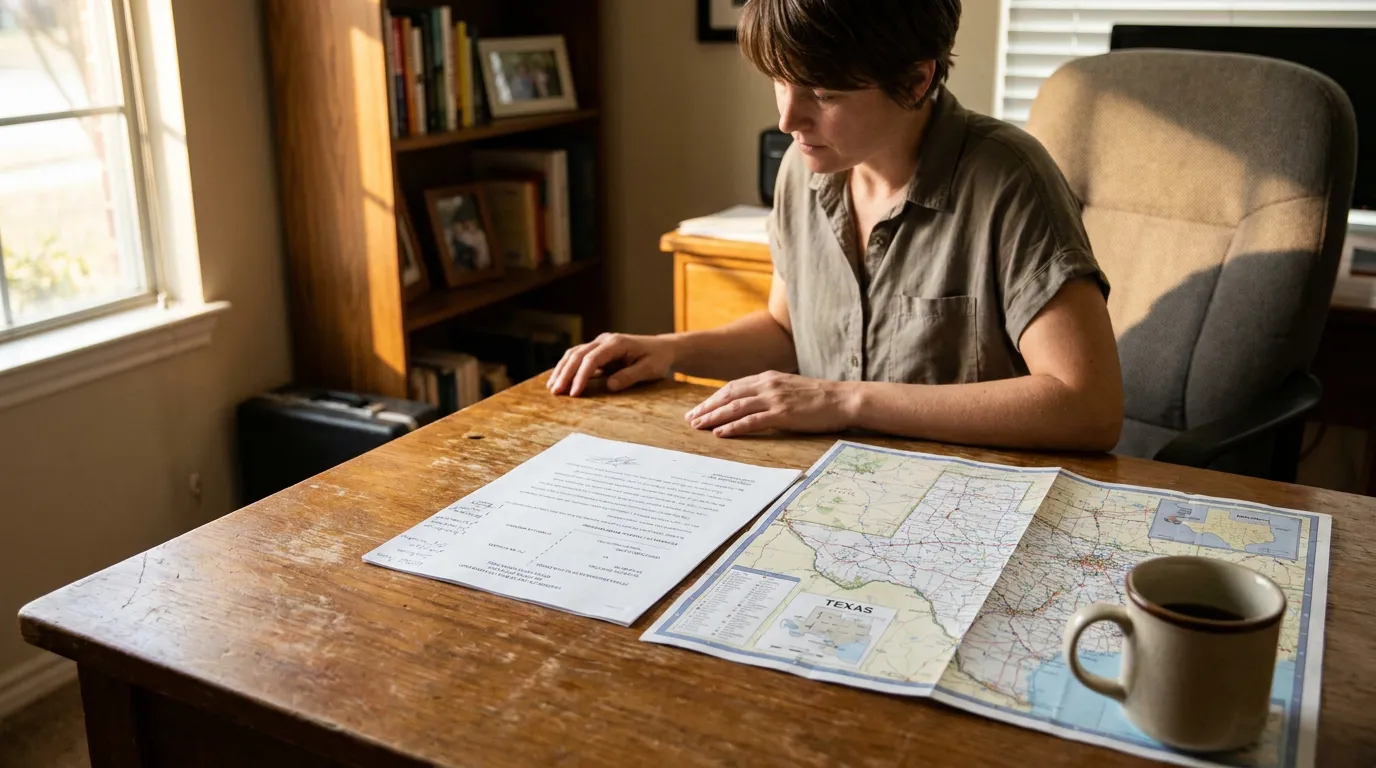
A geographic restriction limits where your child’s primary residence may be maintained under a custody order, often one of the most consequential terms in the document. Houston-area orders commonly confine the child’s primary residence to Harris County and contiguous counties such as Fort Bend, Galveston, or Brazoria. These restrictions limit where the child’s primary residence may be maintained, not where a parent may personally live.
That distinction is where many relocation disputes begin. A parent accepts a promotion in Austin or Dallas, assumes the restriction is negotiable, and discovers the other parent will not cooperate. The lawful route is a formal geographic restriction removal through a court with continuing, exclusive jurisdiction over the child.
Why the Restriction Is Not Permanent
The statutory language that creates a geographic restriction also builds in the mechanism for changing it. Under Tex. Fam. Code § 153.134(b)(1), when a court appoints joint managing conservators, it must designate the conservator with the exclusive right to determine the child’s primary residence and either "establish, until modified by further order, a geographic area within which the conservator shall maintain the child’s primary residence" or specify that the conservator may determine primary residence without geographic location. The phrase "until modified by further order" is your opening.
The same framework applies to agreed parenting plans under Tex. Fam. Code § 153.133(a)(1). Whether your restriction came from trial or settlement, it remains subject to revision.
The Legal Standard for Lifting a Geographic Restriction in a Texas Custody Order
To change conservatorship terms in Texas, the moving party must establish a material and substantial change of circumstances since the prior order and demonstrate the change is in the child’s best interest. Chapter 156 is the vehicle for altering conservatorship terms, possession, or access. The statutory modification provisions state at § 156.101(a) that a court may modify an order that provides for conservatorship if modification would be in the child’s best interest and circumstances have materially and substantially changed since the prior order or settlement agreement.
What qualifies as material and substantial is fact-intensive. Courts consider genuine career opportunities, remarriage, changes in parental involvement, or shifts in the child’s needs. No single factor is dispositive.
Statutory Events That Automatically Qualify
Texas law identifies certain events that constitute a material and substantial change. Under Tex. Fam. Code § 156.106(a), the death of a conservator "is a material and substantial change of circumstances sufficient to justify a temporary order and modification of an existing court order or portion of a decree." The Legislature has also addressed repeated contempt findings for denial of court-ordered possession or access.
A statutory trigger does not guarantee relief. Section 156.101(a)(1) still requires the court to find modification is in the child’s best interest.
Best-Interest Factors That Drive Relocation Cases
Texas courts weigh defined considerations when deciding conservatorship arrangements tied to residence. The conservatorship factors under Chapter 153 include, at Tex. Fam. Code § 153.134(a), the geographical proximity of the parents’ residences and any other relevant factor. In relocation cases, proximity is central.
Judges in Harris County often probe the substance behind a proposed move:
- Concrete benefit to the child, not merely to the relocating parent
- Whether the other parent’s involvement has been consistent and meaningful
- A workable long-distance possession schedule and who bears travel burden
- School quality, extended family support, and the child’s community ties
- Whether timing suggests the move is designed to reduce the other parent’s contact
💡 Pro Tip: Build your evidentiary record before filing. Offer letters, school comparisons, housing documentation, and a detailed proposed possession schedule carry more weight than testimony about intentions.
Filing and Litigating a Custody Order Change in Houston
A parent seeking to remove the restriction must file a petition to modify in the court with continuing, exclusive jurisdiction and continue following the existing order while the case is pending. Moving first and asking permission later may expose you to enforcement, contempt, and credibility problems.
Modification suits resolve through agreement or litigation. If both parents agree, the resolution can be submitted as an agreed order. If contested, the case proceeds to a hearing or trial.
When the Other Parent Cannot Be Located
Service and notice are required even when the other parent has disappeared. If the other parent cannot be located, service may require alternative methods such as substituted service or citation by publication. If the other parent fails to answer after proper service, the modification may proceed by default. Default relief still requires the court to find the change serves the child’s best interest.
| Scenario | Typical Path | Key Consideration |
|---|---|---|
| Both parents agree | Agreed modification order | Court still reviews best interest |
| Parent opposes the move | Contested hearing | Evidence on proximity and access controls |
| Other parent unreachable | Default after service | Proper service must be documented |
| Relief needed mid-case | Temporary order | Narrow statutory conditions apply |
Temporary Orders and the Narrow Mid-Case Exception
Getting residence-related relief on a temporary basis while your modification is pending can be difficult. Under Texas Family Code § 156.006(b), a court may render a temporary order changing the person with the exclusive right to designate the child’s primary residence only if the order is in the child’s best interest and at least one of three conditions is met: the child’s present circumstances would significantly impair the child’s physical health or emotional development; the person designated in the existing order voluntarily relinquished primary care for more than six months; or the child is twelve or older and has stated to the court in chambers a preference.
Courts interpret these conditions narrowly, and career convenience alone may not satisfy them. In many cases, litigating the final modification is more practical than seeking temporary relief.
Consequences That Follow a Granted Relocation
Winning the right to move may change more than your address. Under Texas Family Code § 156.103, if a change of residence results in increased expenses for a party having possession of or access to a child, the court may render appropriate orders to allocate those increased expenses on a fair and equitable basis, taking into account the cause of the increased expenses and the best interest of the child.
Texas also imposes ongoing reporting duties. Tex. Fam. Code § 105.006(a) requires final orders to contain each party’s social security number, driver’s license number, current residence address, mailing address, e-mail address, home telephone number, name of employer, address of employment, and work telephone number, and § 105.006(b) requires each party to give notice of an intended change to the other party, the court, and the state case registry while support, possession, or access obligations remain in effect.
💡 Pro Tip: In high-income households, relocation modifications may open the door to renewed financial scrutiny, including tracing of digital assets and cryptocurrency holdings when support obligations are recalculated.
Frequently Asked Questions
1. Can I move before the judge rules on my modification?
No. You must continue following the existing order until a court signs a new one. Relocating in violation of a domicile restriction can expose you to enforcement proceedings and undermine your credibility.
2. Does a new job automatically justify removing a domicile restriction?
Not automatically. Career advancement may support a finding of material and substantial change, but the court must conclude removing the restriction serves the child’s best interest, considering factors such as geographical proximity of the parents’ residences.
3. What if the other parent agrees to the move?
An agreed modification can be submitted as an agreed order. The judge still reviews the arrangement for the child’s best interest, so document the agreement properly rather than informally.
4. Will the possession schedule change if I am allowed to relocate?
Often. Long-distance moves typically require a revised possession schedule, and Texas Family Code § 153.313 addresses possession when parents live more than 100 miles apart; increased travel costs may also be allocated under Texas Family Code § 156.103.
Positioning Your Case Before You File
Lifting a geographic restriction in a Texas custody order is governed by Chapter 156’s material and substantial change requirement and the best-interest standard. The statutes indicate a restriction lasts only "until modified by further order," but they place the evidentiary burden on the parent seeking change. Outcomes are fact-dependent, and the strength of your preparation before filing may significantly influence the courtroom result. If you are opposing a move, the same framework gives you substantial tools to defend the existing order.
Rob Kuehm brings more than 19 years of Houston family law experience to contested conservatorship and relocation matters, and our firm handles modify child custody Houston cases with the litigation posture these disputes demand. Call (713) 714-8880 or contact us now to discuss your matter. Schedule a consultation with our team.
Disclaimer: This content is for informational purposes only and is not legal advice. Every case is unique, and results may vary. Consult an attorney about your specific circumstances.